
Proper seasonal timing and temperature play a major role in the quality and longevity of an asphalt paving project.
So, what is the minimum temperature for laying asphalt? Most projects require ambient temperatures of at least 50 degrees Fahrenheit. Summer typically offers the best conditions, with warm temperatures that support better compaction, fewer delays, and longer-lasting results.
At Pave America, we have experience with thousands of projects across varying climates and understand how seasonal conditions impact pavement performance. This guide explains why summer is the best time for asphalt paving so you can maximize your investment.
Understanding Temperature Requirements for Asphalt Paving
Asphalt begins cooling as soon as it is placed, giving contractors a limited window to achieve proper compaction. If the material cools too quickly, it can lead to cracking, raveling, moisture intrusion, and a shorter pavement lifespan.
The recommended temperature for asphalt paving is at least 50 degrees Fahrenheit, but air temperature is only part of the equation.
Air Temperature vs. Ground Temperature
Ground temperature is just as important as air temperature. Even when the air reaches 50 degrees Fahrenheit, cold or frozen ground can quickly pull heat from the asphalt, reducing workability and compaction time.
This is especially common in early spring and late fall. A warmer base of at least 40 degrees Fahrenheit helps asphalt retain heat longer, creating a stronger, more durable pavement.
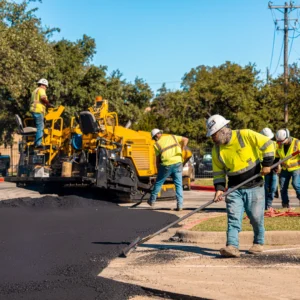
How Temperature Affects Asphalt Workability
Fresh asphalt is highly workable from production. However, its workability decreases as temperatures drop. Crews must complete several critical steps before the material cools:
- Placement and leveling
- Initial rolling
- Intermediate compaction
- Final finish rolling
When temperatures are too low, the compaction window shrinks significantly. This can lead to reduced structural strength, increased air voids, lower pavement density, and premature cracking and deterioration.
For commercial properties, these issues can translate into higher maintenance costs and a shorter pavement lifecycle.
Why Summer is Optimal for Asphalt Installation
Most paving projects require temperatures of at least 50 degrees Fahrenheit. Summer consistently provides temperatures above this threshold, making it one of the best times for asphalt paving services.
Key benefits of summer asphalt paving include:
- Consistent temperatures above minimum paving requirements
- Longer workdays with extended daylight
- Fewer weather-related delays
- Better compaction and surface quality
- More reliable project scheduling
- Improved long-term pavement performance
The Hidden Costs of Cold Weather Paving
Asphalt installation can sometimes take place during colder months, but it often comes with higher costs and increased performance risks. Lower temperatures reduce the time available for proper compaction, and winter conditions can create scheduling challenges and affect long-term pavement performance.
Some of the hidden risks of paving in cold weather include:
- Quality Compromises – Asphalt cools much faster in low temperatures, reducing the time available for proper compaction. This can lead to lower pavement density, reduced structural strength, and a higher risk of temperature-related cracking and premature repair costs.
- Economic Impact – Cold-weather paving often comes with additional costs for material heating, transportation, and specialized equipment. Improper compaction can also lead to earlier repairs, higher maintenance expenses, and a shorter pavement lifespan.
- Longer Curing Times – New asphalt needs time to harden and gain strength. Cold temperatures slow the curing process, leaving pavement vulnerable to damage for longer and potentially delaying full use of the surface.
Investing in routine parking lot maintenance and planning projects ahead of time can help avoid the need for costly cold-weather installations.
Summer Weather Conditions That Maximize Results
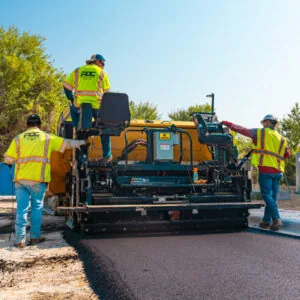
While 50 degrees Fahrenheit is the minimum temperature for laying asphalt, the ideal range is generally between 70 and 85 degrees Fahrenheit. These conditions allow asphalt to remain workable longer, giving crews adequate time to achieve proper compaction and maximize longevity.
Summer weather also provides several other advantages:
Regional Climate Considerations
Summer typically delivers the best asphalt paving conditions, but performance can vary by region. Northern states benefit from warmer temperatures and fully thawed ground, while southern regions often have longer paving seasons with more consistent conditions.
However, extreme heat can also create challenges. Temperatures above 95 degrees Fahrenheit may impact material handling, compaction timing, and worker safety. At Pave America, local contractors closely monitor site conditions to ensure consistent, high-quality installation.
Weather Window Reliability
Summer weather patterns are generally more stable than spring or fall. Fewer temperature swings and reduced risk of sudden cold snaps help minimize delays and rescheduling.
This reliability supports smoother project timelines, better coordination with other site work, and more consistent paving results. For commercial property owners, fewer weather interruptions often mean less downtime and more efficient project completion.
Contact Pave America For Your Next Commercial Asphalt Paving Project
While asphalt can be installed year-round, summer consistently offers the best conditions for quality, efficiency, and long-term performance. Our nationwide network of local experts delivers commercial asphalt solutions for parking lots, private roads, truck courts, industrial facilities, and more across diverse climate zones.
Ready to get started? Contact us today to schedule a consultation or use our asphalt calculator to estimate how much material you’ll need for your project.