
Worn or damaged pavement can quickly impact your property’s appearance and create safety concerns. Asphalt resurfacing is a sustainable, cost-effective solution that restores cracked or uneven surfaces without the need for a full reconstruction.
In this guide, we’ll break down how asphalt resurfacing works, when it’s the right choice for your property, and the key benefits it offers for long-term durability and curb appeal.
What is Asphalt Resurfacing and How Does It Work?
Asphalt resurfacing is the process of placing a new asphalt layer over an existing paved surface that still has a strong base. It is commonly used for commercial parking lots, access roads, and other high-traffic paved areas.
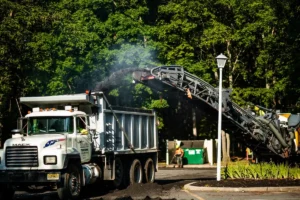
Instead of removing the entire pavement structure, asphalt resurfacing restores only the top layer. This includes removing the damaged portions and grinding them up for reuse in the new pavement layer, a process known as asphalt milling.
The Asphalt Resurfacing Process
Resurfacing an asphalt parking lot requires careful planning, the right equipment, and a proven process to ensure long-lasting results.
Here’s how it works:
Step 1: Assessment & Preparation
Before work begins, a paving contractor evaluates the existing pavement to confirm that asphalt resurfacing is the right solution. Typically, if the surface has localized damage, such as cracks, holes, or uneven spots, and the base is sound, resurfacing is recommended.
Then, the area is cleaned, and debris is removed. And they will prep the pavement for any needed repairs.
Step 2: Milling (If Necessary)
Once the surface is clean and dry, it’s time to mill the top layer with specialized tools. Asphalt milling removes and grinds the damaged layer, which is then repurposed for a new surface. Not every project requires milling, but it’s common on commercial parking lots for a more consistent finish.
Step 3: Repairing the Cracks
Before new asphalt is installed, all damage must be fixed. This may include crack filling or pothole patching to ensure a smooth base for parking lot resurfacing.
Proper repairs also prevent old damage from showing through the new surface, helping it last longer.
Step 4: Lay New Asphalt
Once all surface damage is repaired, you can lay fresh asphalt. This begins with applying a tack coat that helps bond the new asphalt layer to the old surface. Once you’ve installed the fresh layer of asphalt, it must be compacted and rolled for an even finish.
Step 5: Cure the Asphalt
Proper curing is essential for the long-term performance of the new pavement. Curing typically takes a few days, which means traffic flow on your property can resume within 1 to 3 days. This helps extend the life of the asphalt and ensures a strong surface.
Step 6: Sealcoating
Sealcoating is recommended 6 to 12 months after the new asphalt layer is installed. This provides a protective barrier against UV rays, water, chemicals, and general wear, extending longevity and keeping it looking fresh.
Step 7: Line Striping & Markings
Before resuming normal traffic flow on your lot, it’s essential to have clear, accurate line striping for parking stalls, ADA compliance, and walkways. Once asphalt has cured, fresh striping makes your property easier to navigate and fully compliant.
Benefits of Resurfacing Your Parking Lot
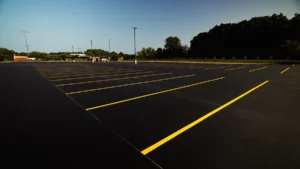
Asphalt resurfacing offers several advantages for commercial properties looking to maintain safe and functional pavement without the cost of full reconstruction.
Extend the Lifespan of Your Parking Lot
Resurfacing an asphalt parking lot protects the existing structure underneath. When done at the right time, it significantly extends the life of your pavement and delays the need for a full replacement.
Enhance Curb Appeal
A freshly resurfaced parking lot creates a clean, uniform appearance that gives your property a great first impression.
Fix Drainage Issues
Asphalt resurfacing corrects minor drainage problems by improving surface grading and water flow. This reduces the risk of standing water, which can lead to further damage over time.
Improve the Safety of Drivers and Pedestrians
Damaged pavement creates hazards for both vehicles and pedestrians. Resurfacing eliminates surface defects, improves traction, and enhances visibility with fresh markings.
Asphalt Resurfacing vs Sealcoating
Both asphalt resurfacing and sealcoating are common pavement maintenance techniques, but they serve different purposes.
Asphalt resurfacing is a long-lasting solution for moderate wear, cracking, or surface deterioration with a stable base. It involves installing a new asphalt layer over an existing surface to restore safety and durability.
Sealcoating is a preventative maintenance service. It protects asphalt from damage caused by sunlight, water, and chemicals. Rather than repairing structural issues, sealcoating helps preserve pavement and slow down the aging process.
In most cases, sealcoating is part of a long-term maintenance plan, while asphalt resurfacing is used when pavement condition has progressed beyond basic upkeep.
Asphalt Resurfacing vs Asphalt Milling
Asphalt milling and resurfacing are closely related but are not the same service.
Asphalt resurfacing is a pavement restoration method used when the base is still strong, and only the top layer is damaged. Asphalt milling, on the other hand, is often a step within the resurfacing process. It involves removing the top layer of worn asphalt and grinding it down so it can be recycled into the new asphalt mix.
In some cases, asphalt resurfacing can be done without milling. However, for many commercial projects, milling helps create a smoother finish and supports longer-lasting results.
Signs Your Parking Lot Needs To Be Resurfaced
Knowing when to resurface your pavement is key to maintaining a safe and functional property. Look out for the following signs that it may be time to schedule parking lot resurfacing.
Cracking and Alligatoring
Cracks are often the first sign of pavement wear and deterioration. Small, isolated cracks can typically be handled with routine maintenance, but widespread cracking or interconnected patterns, known as alligator cracking, signal deeper issues.
If left untreated, these cracks will continue to expand, allowing water to seep into the pavement and accelerate structural damage.
Potholes and Edge Breaks
Potholes and crumbling edges are clear indicators that the asphalt surface has weakened. These conditions can create safety hazards for pedestrians and vehicles, and they often worsen quickly if ignored.
Asphalt resurfacing restores the top layer and helps prevent further deterioration, as long as the base beneath the surface is still structurally sound.
Faint Parking Lines
Over time, traffic, UV exposure, and weather can cause parking lot striping to fade. While this may seem like a cosmetic issue, it also impacts safety, traffic flow, and overall organization.
Resurfacing gives you a clean base to apply new markings that are clear and easy to understand.
Pavement Distortion
Uneven surfaces, low spots, or slight warping are signs that the pavement is no longer performing as it should. Minor distortions can often be corrected during asphalt resurfacing, but more severe deformation may require more extensive repairs before work begins.
Choose Pave America for Your Next Asphalt Resurfacing Project
Investing in asphalt resurfacing can help you control future repair costs, reduce downtime, and keep your property operating safely. At Pave America, we provide expert commercial asphalt resurfacing services backed by local expertise and a nationwide network of trusted partners.
If your parking lot is showing signs of wear, we’ll help you develop a customized plan to extend its lifespan, improve safety, and restore its professional appearance.
Not sure about the cost of asphalt resurfacing? Contact us today to request a free estimate.