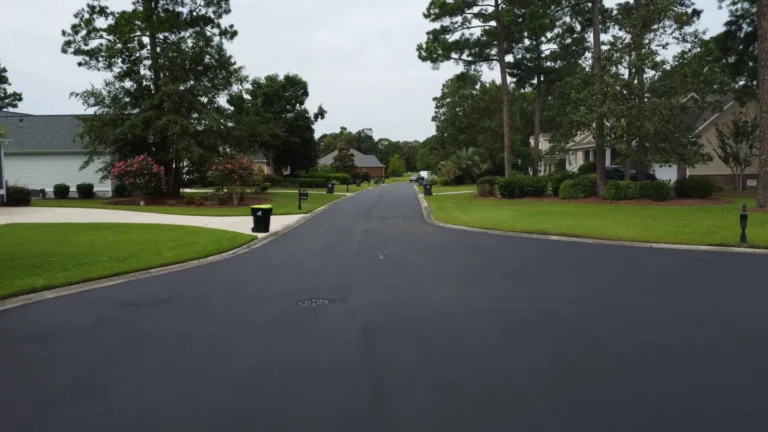
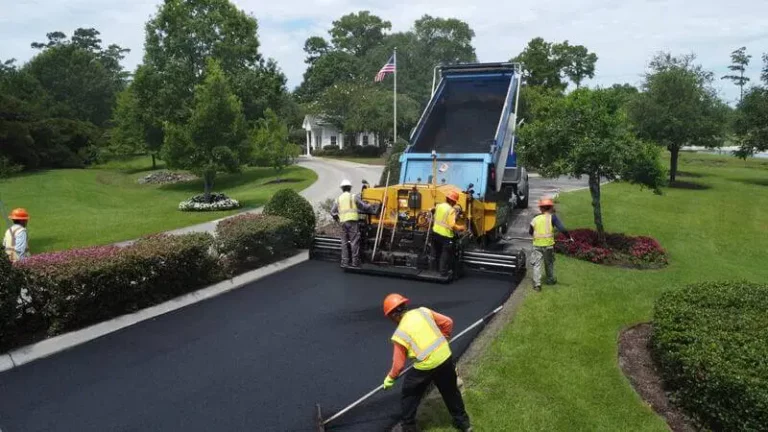
One of the most effective and sustainable ways to restore aging pavement without full replacement is asphalt milling.
Milling asphalt involves removing damaged layers to create a stable base to repair or resurface roads, parking lots, and other paved areas. It improves drainage, levels surfaces, preserves the underlying base, and supports sustainable construction by reducing waste.
This guide explains what asphalt milling is and the key benefits for long-lasting, durable pavement and cost savings on your property.
What is Asphalt Milling?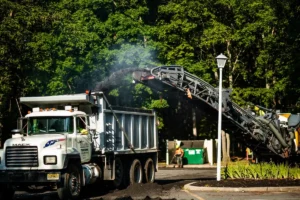
Asphalt milling is the process of removing damaged asphalt and breaking it up to be repurposed to patch potholes, repair cracks, or surface new roads. It requires specialized equipment that grinds and lifts deteriorated pavement and collects and transports it for reuse.
The process allows the underlying pavement base to remain intact, allowing contractors to repair or resurface roads, parking lots, and other paved areas without full reconstruction.
So, what are millings? Millings are the crushed pieces of old asphalt removed during milling. This process creates a smooth, level surface for new asphalt, addresses uneven areas or drainage issues, and saves time and money compared to a full replacement.
How are Asphalt Millings Recycled?
The material removed during milling is known as asphalt millings. Instead of being discarded, these materials are collected and reused in a variety of construction applications.
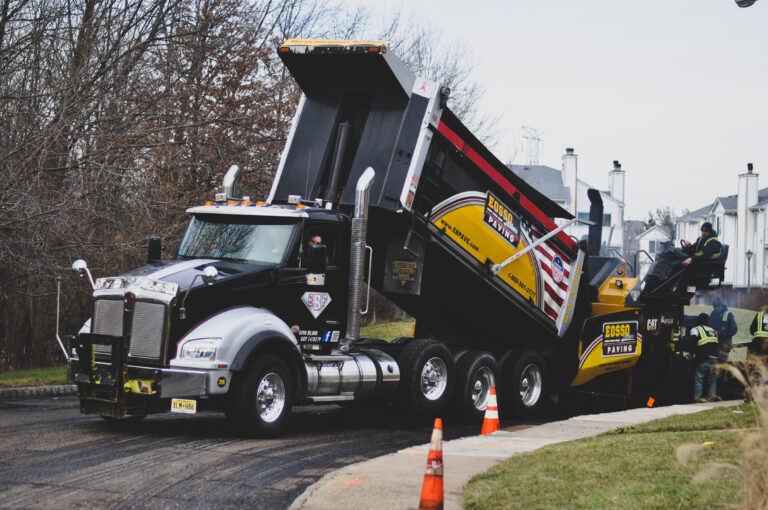
After milling asphalt, the removed material is transported to processing facilities where it can be crushed, screened, and reused in new pavement mixtures. Recycled asphalt millings help reduce the demand for new raw materials and lower construction costs.
Common uses for millings include:
- Recycled asphalt pavement (RAP) used in new asphalt mixes
- Base material for roads and parking lots
- Temporary access roads or construction paths
- Landscaping and erosion control applications
- Soil stabilization for construction sites
Equipment Used for Asphalt Milling?
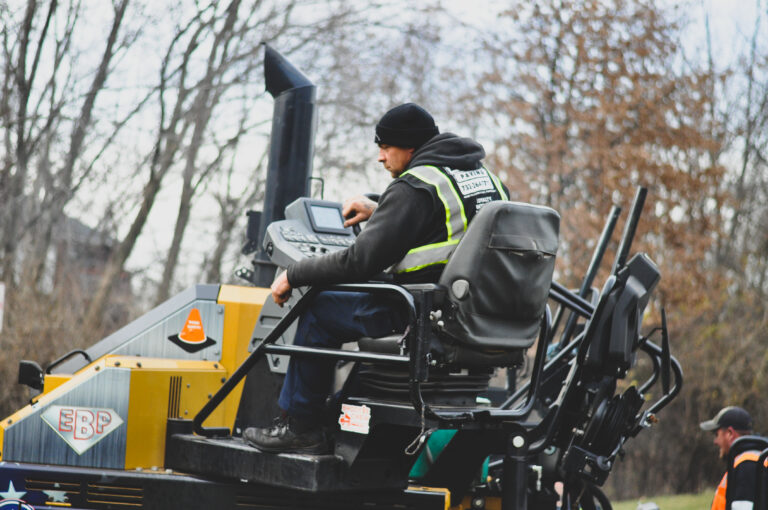
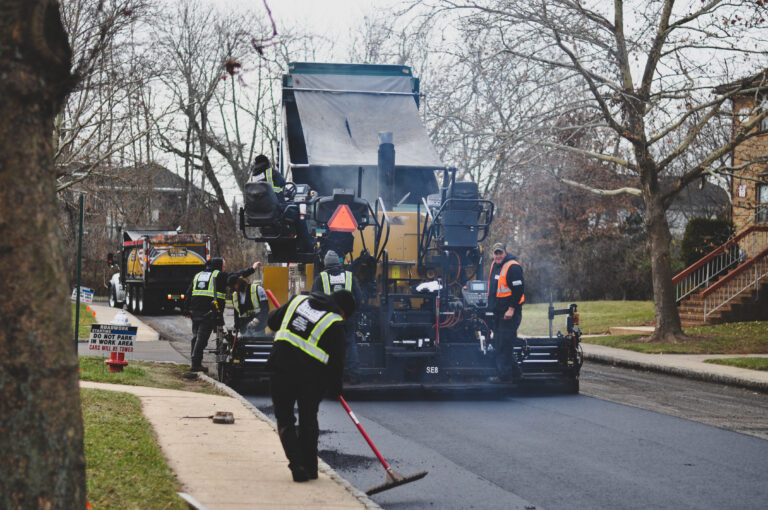
Milling asphalt requires specialized equipment to remove pavement correctly and protect the underlying structure. Professional contractors use several key machines to complete the milling process safely and accurately.
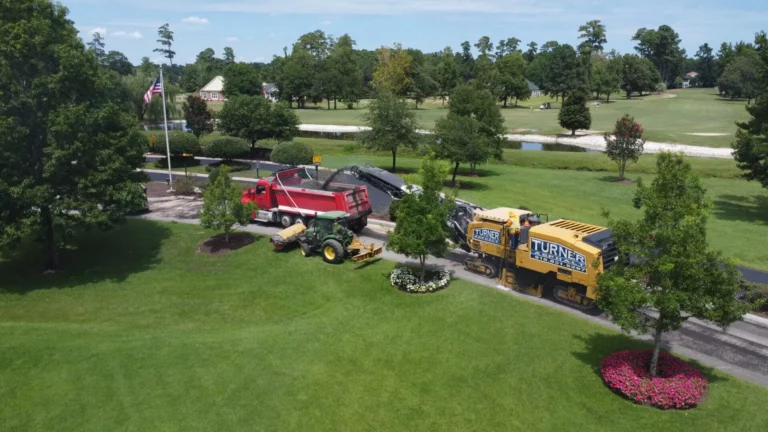
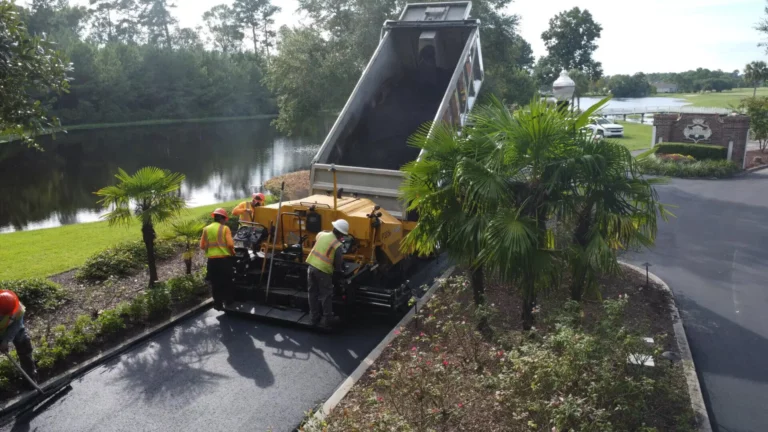
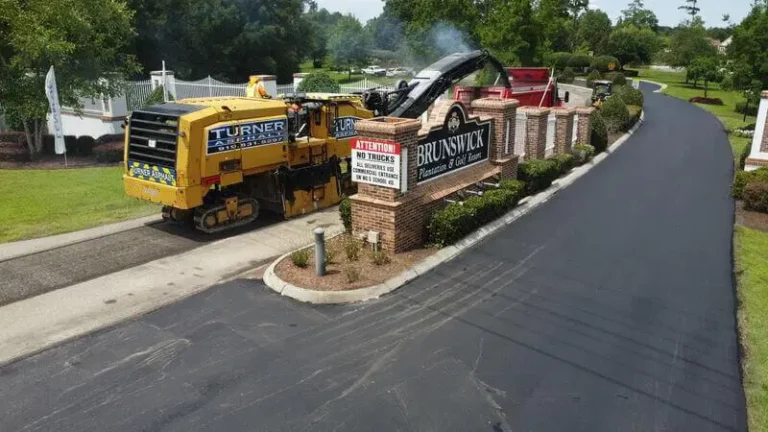
The most important piece of equipment is the cold planer, also called a milling machine. Cold planers use a rotating drum fitted with hardened cutting teeth that grind and remove layers of asphalt pavement. As the machine moves forward, it cuts the surface and loads the removed material onto a conveyor belt that transfers it into dump trucks.
In addition to cold planers, milling projects typically involve several other pieces of equipment:
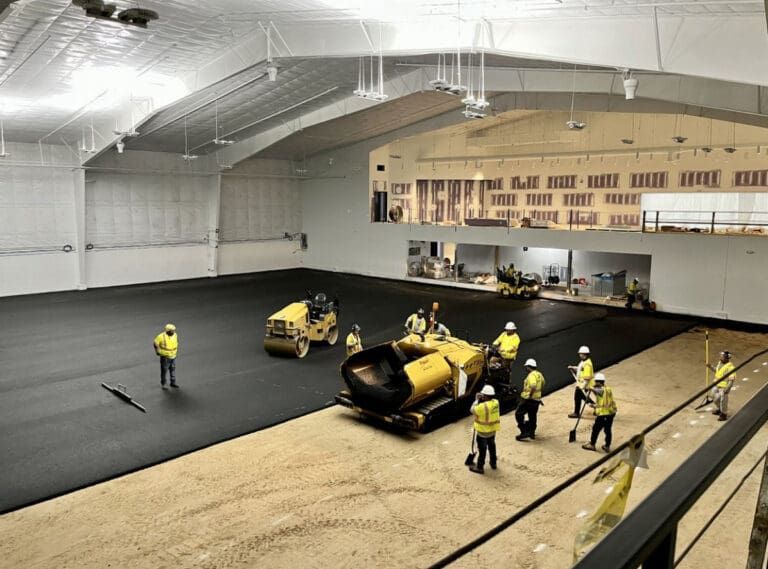
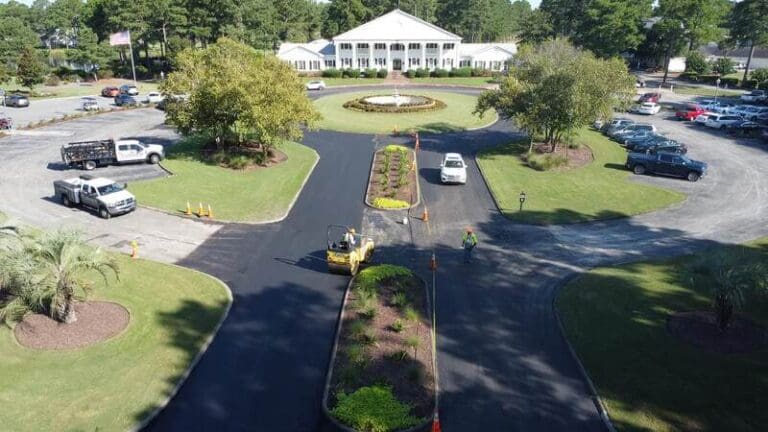
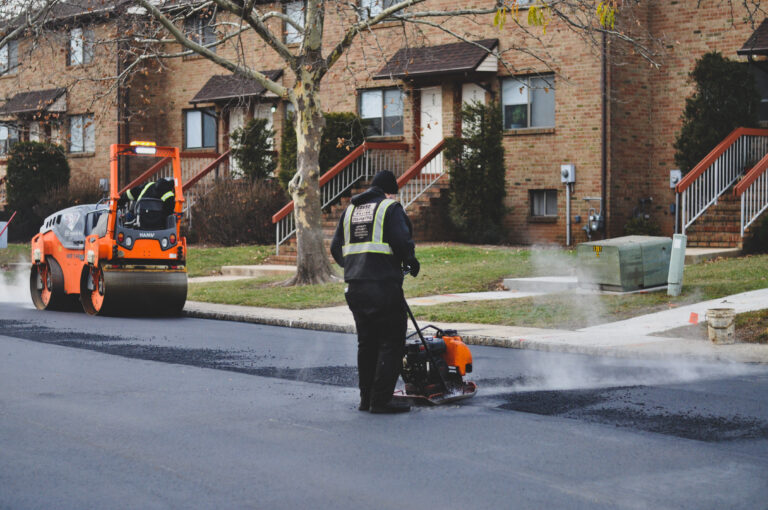
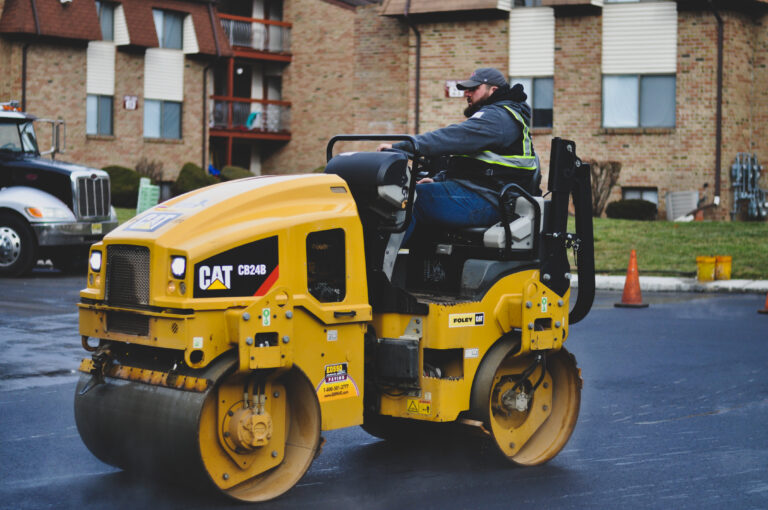
- Compactors and Rollers – Stabilize the milled surface before new asphalt is installed.
- Sweepers and Vacuum Systems – Remove loose debris from the pavement.
- Water Trucks – Control dust during milling.
- Conveyors and Loaders – Move milled material efficiently on-site.
Cold Asphalt Milling
Cold asphalt milling is the most common type of road milling. It removes asphalt surfaces without heating them, using machines with rotating drums and hardened cutting teeth. The damaged asphalt is ground up, collected, and transported for recycling, while the base underneath stays intact.
Cold milling is ideal for repairing roads and parking lots because it removes only the deteriorated layers. This creates a smooth, level surface for new asphalt, fixes uneven areas, improves drainage, and extends pavement life, while reducing costs and construction waste.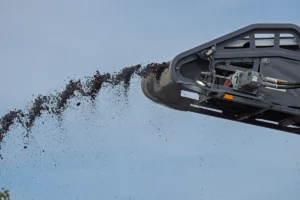
Five Classes of Cold Asphalt Milling
There are five classes of cold asphalt milling, as defined by the U.S. Department of Transportation. Each class helps determine the appropriate milling approach for different pavement conditions and construction needs.
Class I Milling –
This removes only surface bumps and irregularities to create a smoother surface. It’s ideal when the pavement base is still strong.
Class II Milling –
Cuts the asphalt to a uniform depth as specified in project plans, ensuring a consistent surface for overlays or repairs.
Class III Milling –
Similar to Class II, but also adjusts the cross slope to improve drainage and surface flow.
Class IV Milling –
Full-depth milling that removes asphalt down to the base or subgrade when the pavement is severely damaged.
Class V Milling –
Removes asphalt at varying depths across several areas, allowing targeted repairs where damage is uneven.
When Should Asphalt Millings Be Used?
What is milling asphalt used for? Milling is best when pavement shows wear, but the base is still strong. Instead of replacing the entire surface, contractors remove the damaged layers and add a new asphalt overlay. This helps maintain pavement performance while keeping repair costs down.
Here’s where asphalt milling is best:
Restore Parking Lots
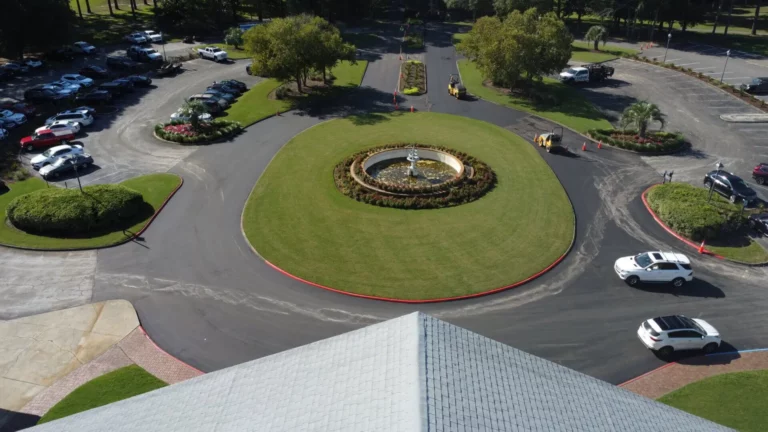
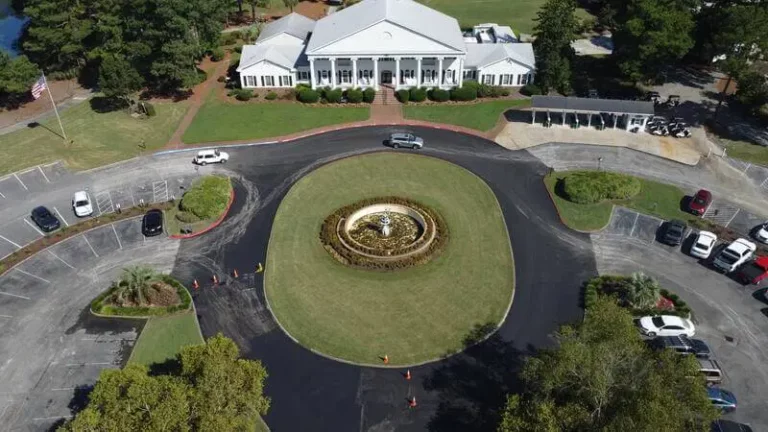
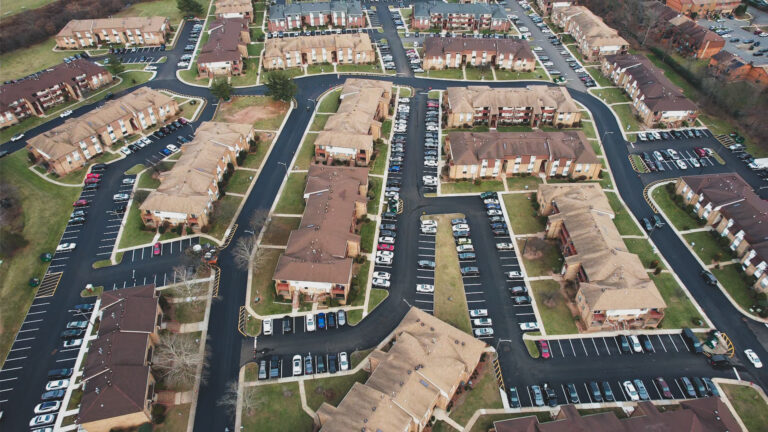
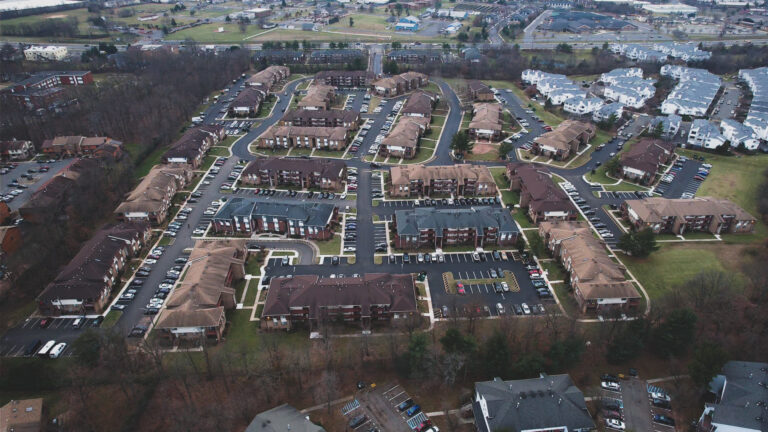
Parking lots experience constant vehicle traffic, which can cause quicker surface wear, rutting, and uneven pavement over time. Asphalt milling offers a sustainable and cost-effective way to resurface the lot without replacement. This restores a smooth, even surface, improving both safety and appearance.
Improve Drainage
Improper drainage is a common cause of pavement deterioration. When water collects on the surface of roads or parking lots, it can weaken the pavement and accelerate cracking.
Road milling helps restore proper surface grading so water flows toward drainage systems instead of pooling on the pavement. Correcting drainage issues helps protect pavement from future damage.
Level Uneven Surfaces
Over time, heavy traffic and environmental factors can cause pavement to become uneven or warped. These irregularities can create safety hazards for vehicles and pedestrians.
Road milling allows contractors to remove high spots and level the pavement before resurfacing. This process restores a smoother, safer driving surface.
Improve and Restore Roadways
Municipal roads and highways often undergo milling before resurfacing projects. Removing the damaged asphalt layer allows contractors to rebuild the roadway surface without reconstructing the entire pavement structure.
In many roadway rehabilitation projects, milling is used alongside other pavement maintenance strategies. For example, routine maintenance such as crack filling can help extend pavement life before more extensive repairs like milling or resurfacing are required.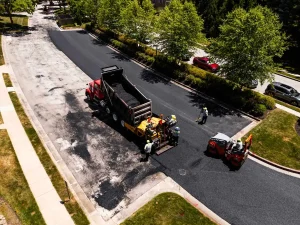
Choosing the Right Asphalt Milling Contractor
Hiring the right contractor is essential to ensure asphalt milling projects are completed safely and correctly. Milling requires specialized equipment and experienced operators who understand pavement structure and rehabilitation techniques.
When evaluating contractors, property owners should consider several factors before making a decision.
Key things to look for:
- Proper licensing and insurance coverage
- Experience with commercial paving projects
- A portfolio of completed milling and paving work
- Detailed written project proposals or contracts
- Modern equipment and trained crews
- Strong safety standards and industry compliance
Choosing a contractor with proven expertise ensures the milling process is performed accurately and that the pavement is properly prepared for resurfacing or rehabilitation.
Choose Pave America for Your Next Asphalt Milling Project
Pave America delivers full-service commercial pavement solutions across the U.S., including expert asphalt milling, resurfacing, and pavement maintenance. Our teams create smooth, long-lasting surfaces for parking lots, roads, and more.
If your pavement is worn, uneven, or has drainage issues, road milling offers a cost-effective and sustainable way to restore performance and extend its lifespan.
Contact Pave America today to get started!